GSM / 2G
GSM brought together three revolutionary ideas, one commercial, one technical and one regulatory. The commercial vision was the internationalisation of cellular radio. People should be able to take their mobiles with them when they travelled abroad. The vision then was of a pan European Cellular Radio Service. The technical vision was “digitalisation”. Every single corner of our communications world was being digitalised…driven by the silicon chip revolution…so if there was to be a new common European mobile radio network…why not make it digital? The regulatory vision was better spectrum efficiency to which was later added the objective of having competitive mobile networks. However, in March 1987 the GSM vision was on the point of failure. In a breathtaking 37 weeks the whole of Europe (countries and industries) were brought behind GSM in a rare unity and speed. Out of this near failure the mobile revolution emerged.
The story and the decisions
The inside story
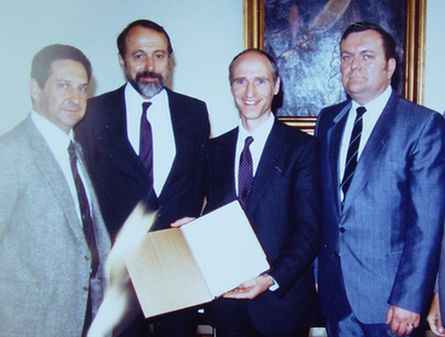
GSM came remarkably close to failure. Follow the decisions, alliances and last-minute breakthroughs that turned a European ambition into a global mobile system. Some of the toughest obstacles came from the very countries trying to create it.
The Secret of GSM Success
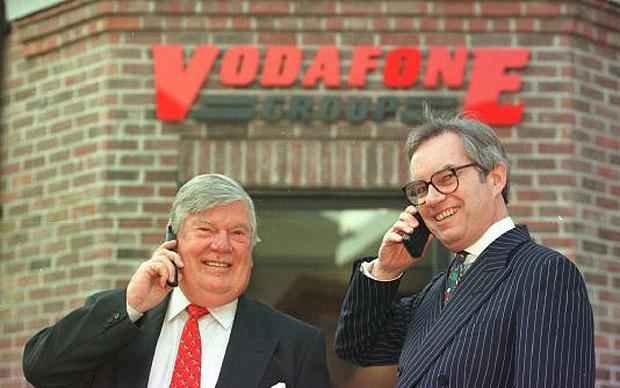
Technology alone was not enough. Stephen Temple examines the mix of policy, cooperation and competition that gave GSM its extraordinary reach. How did competing interests come together behind a common mobile system?
The Spectrum Saga
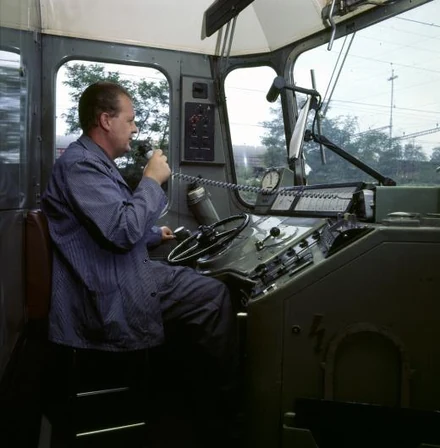
Why did 900 MHz matter—and why open 1800 MHz before many thought it practical? Follow the difficult decisions that made room for mobile networks.
The people behind GSM

Who created GSM?
GSM was not the invention of one person. Meet the people whose technical and political decisions brought Europe together behind a common mobile system.

The fathers of SMS
A few words on a phone became a service used around the world. Separate the popular invention stories from the contributions that made SMS possible.
Read the eyewitness accounts
Inside the Mobile Revolution
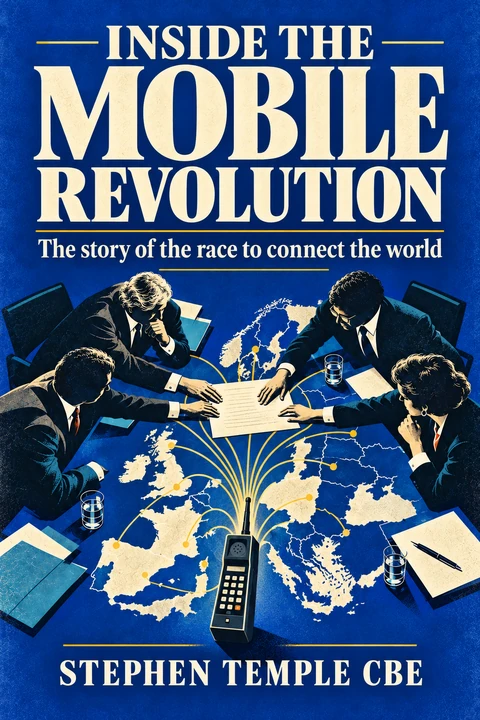
When mobile phones were still an expensive rarity, GSM’s future was anything but secure. Stephen Temple’s first-hand account reveals the political rivalries, difficult compromises and extraordinary cooperation that transformed a fragile European project into a global mobile revolution.
Casting the Nets
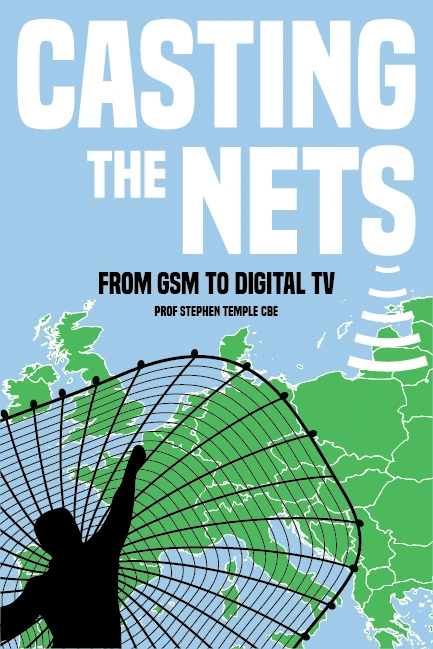
What connects the birth of GSM with digital television, radio and the internet? Stephen Temple takes readers into the decisions that reshaped modern communications, showing how the success or failure of one technology could change the prospects of another.
The phones and their designs
Vintage Mobiles
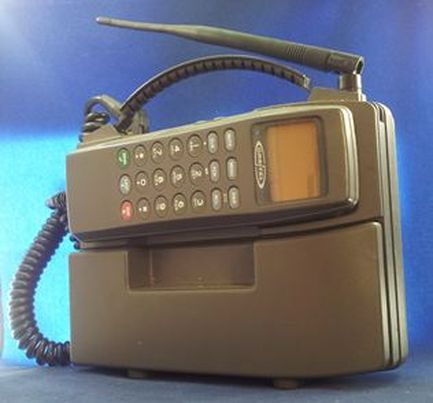
Start with the early GSM handsets, including the Orbitel 901 and Nokia 1011. Follow how digital mobile communications took shape in the phones people carried.
Great Designs
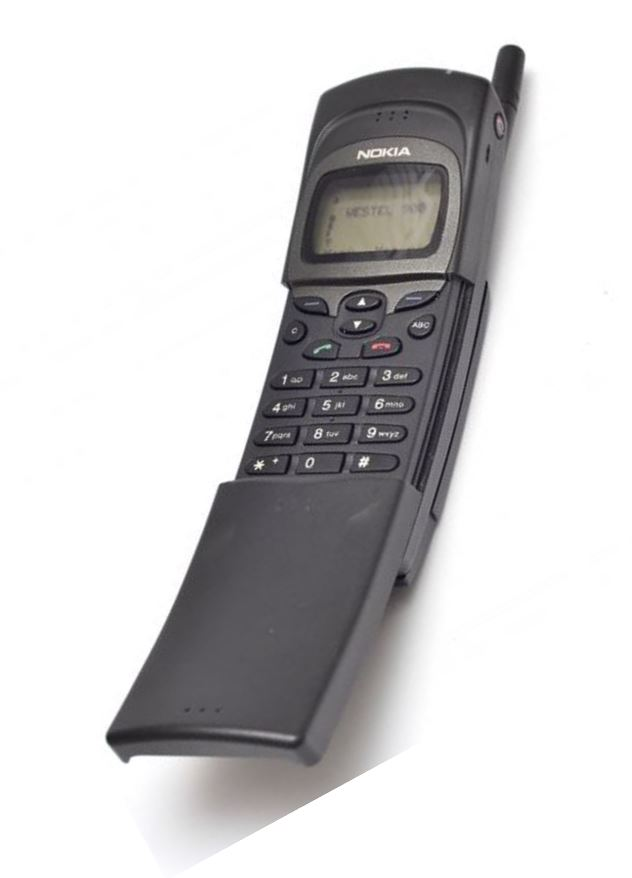
Size, shape, controls and appearance gave manufacturers room to experiment. See how GSM handsets competed for attention as their everyday functions grew increasingly alike.
The original documents
Home Office: Frequency Requirements
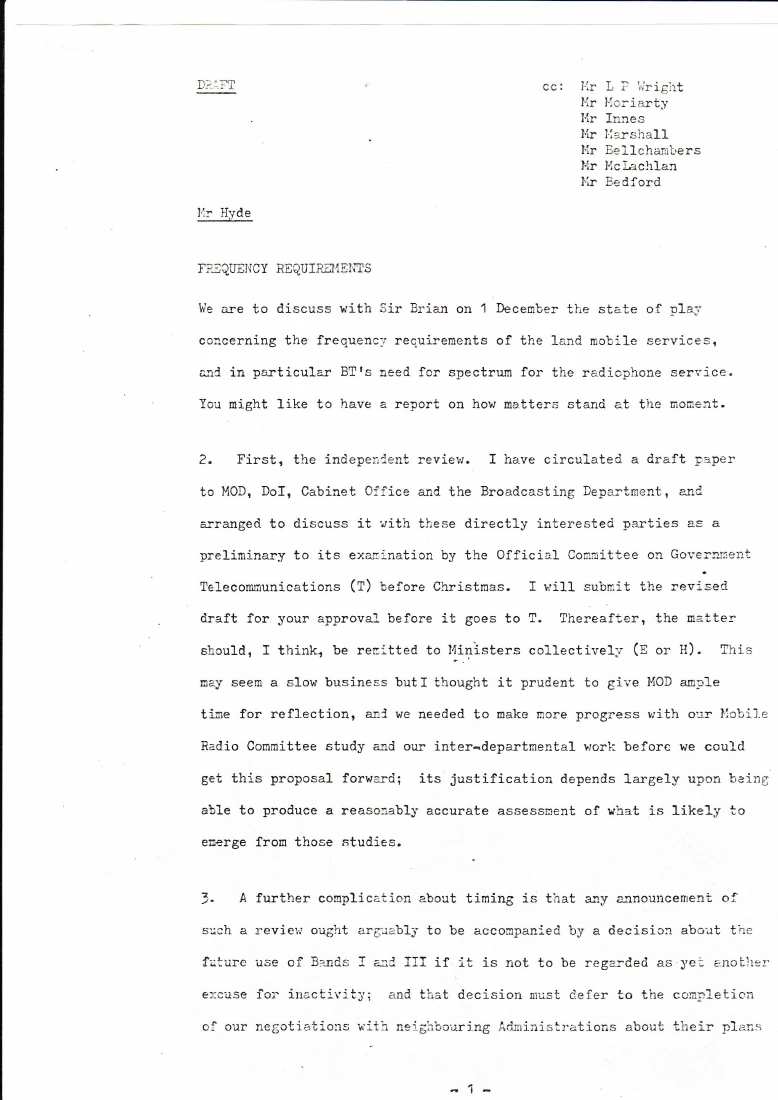
Before a common mobile system could be built, frequencies had to be found. Examine the Home Office record behind that early struggle.
The 1985 Cooperation Agreement
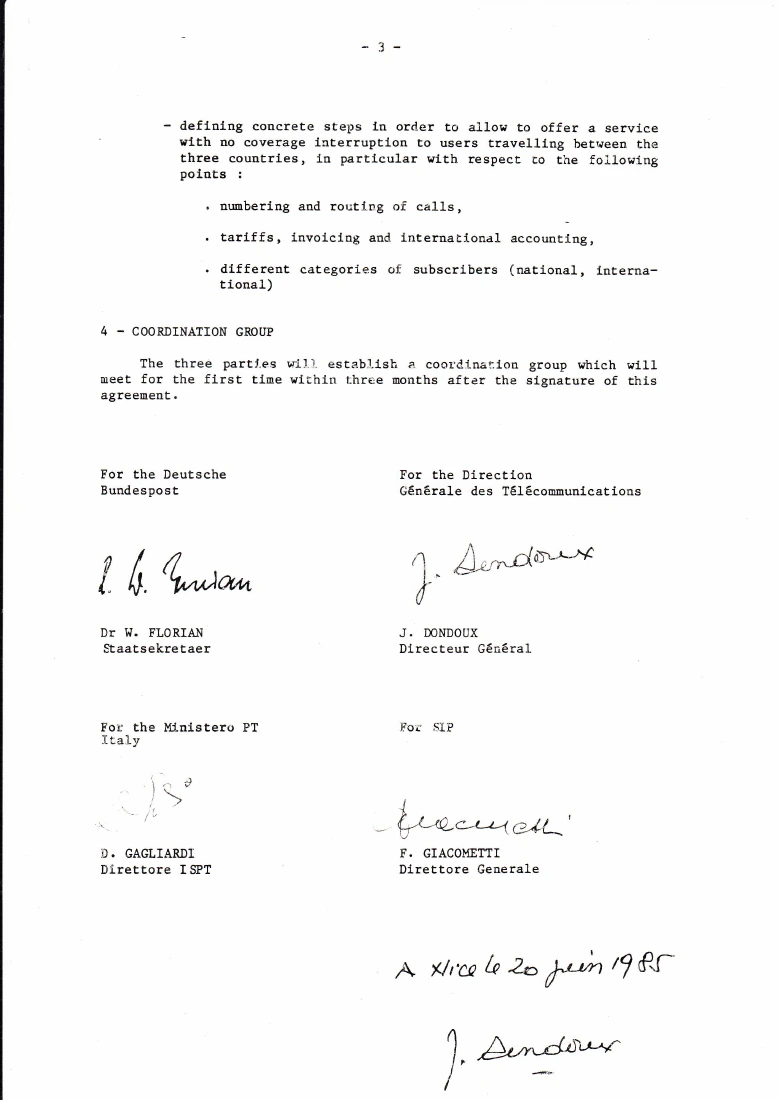
Read the agreement that put cooperation over digital cellular radio into writing, before Europe had settled on the common system.
The Bonn Declaration (1987)
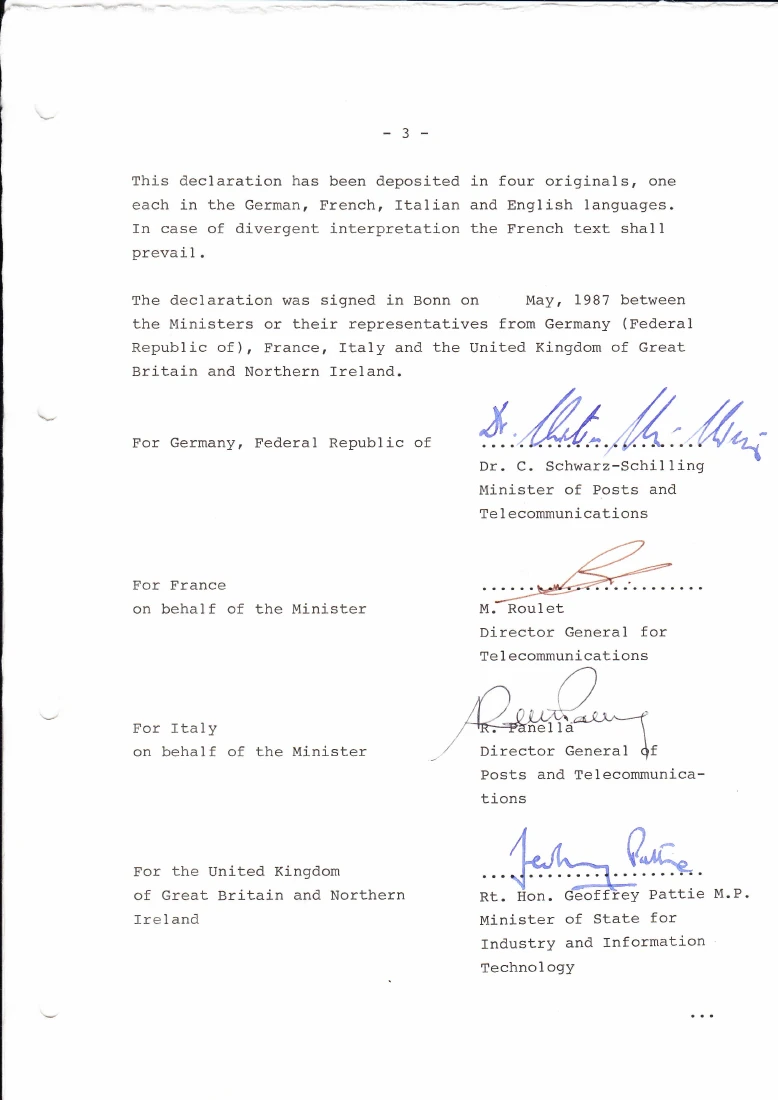
Four governments put their authority behind GSM at Bonn. See the declaration connecting the technical decisions to political commitments.
The GSM Memorandum of Understanding
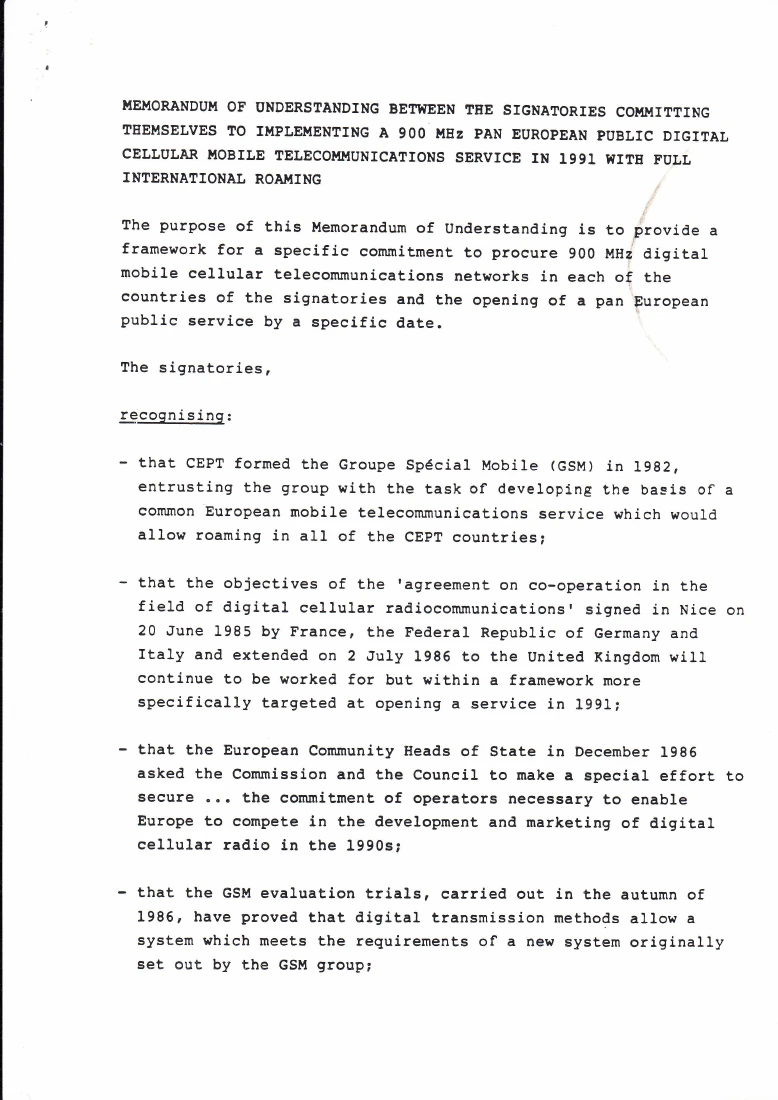
A standard needed networks to carry it. Read the operators’ commitments on the implementation of a common European mobile service.