Chapter 25
A Footnote in History
There was a large amount of work carried out over my time in the GSM but it was only a minuscule fraction of the work that was still to come to develop the full technical standard, industrialise the technology, roll out all the networks and create the services. The first meeting of the signatories to the GSM MOU was a turning point. It began the transformation from a project led by the few into an industry comprising thousands and then hundreds of thousands and eventually millions.
It was not that my exit from the scene left me short of things to do. GSM was one of a number of projects I was involved in. Digital TV was beckoning and crying out for a European initiative. I very soon found myself working for Ian Taylor and Michael Heseltine in bringing about a digital terrestrial TV revolution in the UK.
Around 1989/90 David Hendon took over the GSM project from me at the DTI.
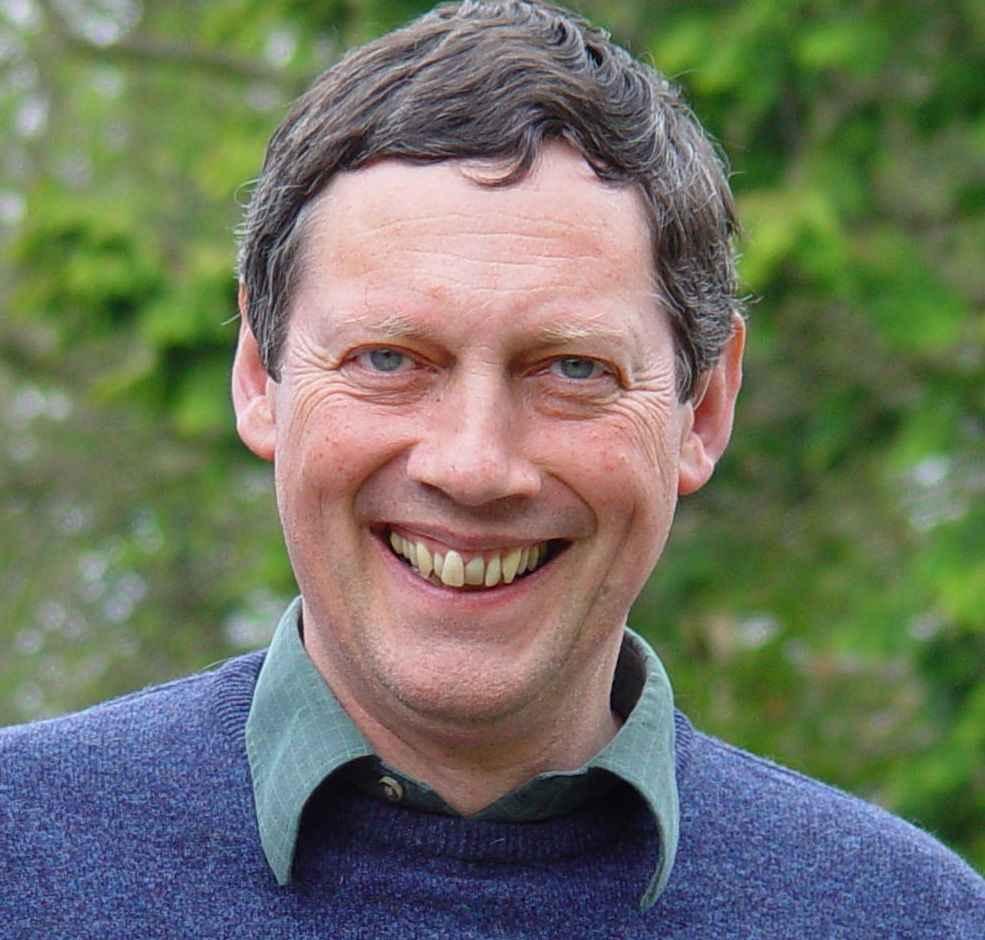
He had a bigger mountain to climb with others in GSM to ensure the GSM technical standard, comprising thousands of pages, emerged on time together with European wide mobile type approval. He went on to play a leading role in shaping the UK government policy for the 3G mobile multimedia revolution in a very different political climate a decade later. Very few Civil servants can claim to have netted the Government a cool £20 billion in a single week. But that is his story to tell. He, as much as anyone, has encouraged me to tell mine.
Over the next few years David, Jonathan Phillips (by then head of DTI international telecoms policy) and I had more projects running in parallel on the Single European Market than we could sensibly handle. The only place we could find to meet to keep each other informed was a pub in Brussels called The Princess - since we were all criss-crossing Brussels. Now, if we had GSM mobile phones at the time, that coordination could have been done from anywhere...an example of technology progress sometimes being a mixed blessing.
Philippe Dupuis and Thomas Haug continued to play a leadership role in GSM. Armin Silberhorn and I were to meet up later and work together on the constitution for the industry standards group DVB that created the foundation for the digital television revolution in Europe. Renzo Failli and Bernard Mallinder faded from the European standards scene. Ted Beddoes rose to become Technical Director of Vodafone and later CEO of Dolphin Telecom. Alain Maloberti and Bernard Ghillebaert became legends in France Telecom for their role in the GSM initiative and others active at the Madeira meeting, such as Fred Hillebrandt, Thomas Beijer and Osten Makitalo, went on to make a significant contribution to ETSI standardisation.
And if credit is being given (as it should) , a mention should also be made of those who drove the less visible side of the GSM technical success for example Jan Audestadt from Norway and Michel Mouly from France in respect of the hugely intensive work on GSM network architecture and Martine Alvernhe from France on service definitions.
I am also appreciative of the many updates on the progress of GSM that Mike Short (who was Chairman of the Global GSM Association 1995/6 and Board Member until 2001) has given me over the years.
For the most part we have all been air-brushed out of history. All this comes with the passage of time and particularly as a result of hundreds of thousands of talented people taking over from where we had left off and carrying the main burden of making GSM an everyday reality for over 4 billion people.