What if GSM never happened?
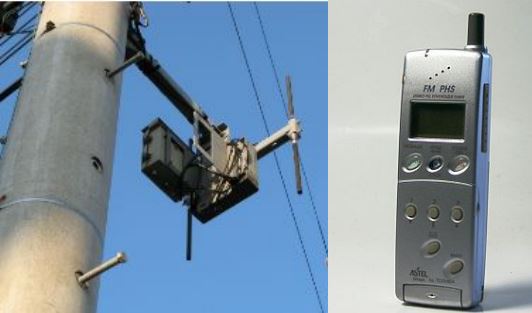
The world entered the 80’s with new ideas streamed out of the communications R&D labs in such diversity that the world faced real choices. In Japan a huge amount of work was done on the Personal Handy Phone (PHS). Similar work was going on in Europe and took the name “Telepoint”. It was based on small lightweight cordless handsets. They communicated to base units up to 100m away and attached to the telephone network at home, in public places and at work. The vision was to replace telephone public call boxes by 10’s of thousands of these “Telepoints”. To Japanese industry in particular it was self evident that if wireless connections were ever to be affordable to the mass public and particularly poorer developing countries, like China, low cost cordless phones had to be the way to go. In 1984 that was a very reasonable assumption.
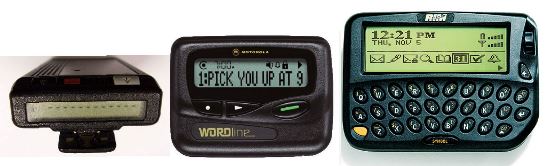
A second strongly expanding market was paging. It really was a very cost effective solution for working people on the move that needed to be contacted. They could be sent a paging alert and they would then find a nearby telephone to call into the office. The paging industry also had exciting plans for the future including messaging pagers and two way pagers (eg Mobitex). A growing number of people were carrying around pagers in the mid-80’s and there were plans for a pan-European paging standard called Hermes. Frequency channels were reserved across Europe for this new development. A huge number of mission critical staff carried pagers.
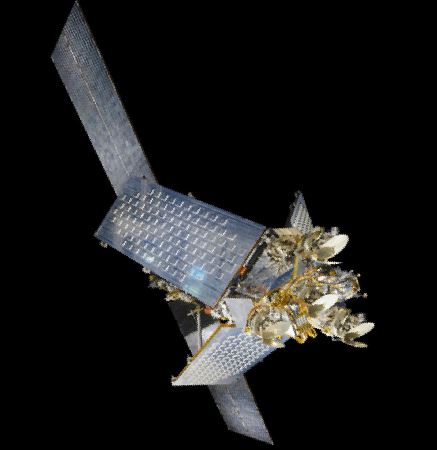
A third really exciting vision of the future was low (or medium) orbiting satellites. The world was globalising. There would be a growing market demand from business people who wanted good communications from anywhere in the world. Motorola almost bet the company on the Iridium low orbiting satellite network. But they were not alone. Investments were going ahead with a number of competing systems such was the confidence in the mobile satellite future.
The fourth vision was an expanding analogue cellular mobile service. The Scandinavian countries has shown that a solid business market existed that might extend to those wealthy enough to have second homes. Securing a penetration of 10% of the population looked quite fanciful thinking sitting in the US, Germany, France or the UK in 1984.
We have the evidence of where investments were flowing in 1984. This provides a good basis for working out what the world might have looked like in 2014 if GSM had never happened.
First market volumes would have been more evenly spread across each of these separate technologies. The cost of Iridium mobiles would have come down with the higher volumes it would have attracted. The lower prices would have driven up volumes further and accelerated new satellite handsets that were smaller and lighter. It would have been the prime communications for top business executives and the luxury end of the consumer market…their second mobile for when travelling abroad.
Japan and Europe would then have got into a race with cordless telephones.There would have been an aggressive export drive by Japan to all the Asian countries leading to huge volumes, falling prices and accelerating innovation. In Europe the UK CT2 would eventually have taken off and Telepoints may have risen in numbers that equate to roughly the number of public WiFi hot spots we have today. Germany was on track to develop their own Telepoint services based on CT2 and quite possibly France as well. Hong Kong would have been a strong CT2 Telepoint market. It is not clear that much space might have been have been left for DECT cordless phones.
Somewhere in this mix would have been a plethora of cellular radio standards – probably at least seven (3 in Europe, 3 in the US and 1 in Japan). The reduced volumes of cellular radios due to the other technologies mentioned above would have been further fragmented by all the different technical standards. This would have entrenched cellular radio in the professional electronics industry. The break out to a mass consumer item would not have happened. Easy access to a mobile network would have been out of reach to the millions of tourists, migrant workers, those further down the corporate ladders and travellers on lower incomes. Phone cards would have been the norm for them.
For the European consumer pagers would have been two a penny and carried by everyone including children so parents could page them to come in for dinner. Everybody would had have their own personal cordless phone with built in pager. All top of the range cars would have a car telephone built-in but for super-luxury cars it would be an Iridium satellite phone.
Apple would have been doing well now with a really cool mix of MP3 player and cordless telephone. Nokia would have long gone back to their roots of selling rubber tyres and paper.
Around 3 billion people in the world’s poorest countries would have nothing.
A very different world!